What is the difference?
Power arrives at your home on one or three "phases":
- Single-phase homes have one active supply. This is the most common setup for houses.
- Three-phase homes have three supplies. They are common in larger homes, homes with big air conditioning systems or pools, and older homes in some areas.
Why does it matter for solar?
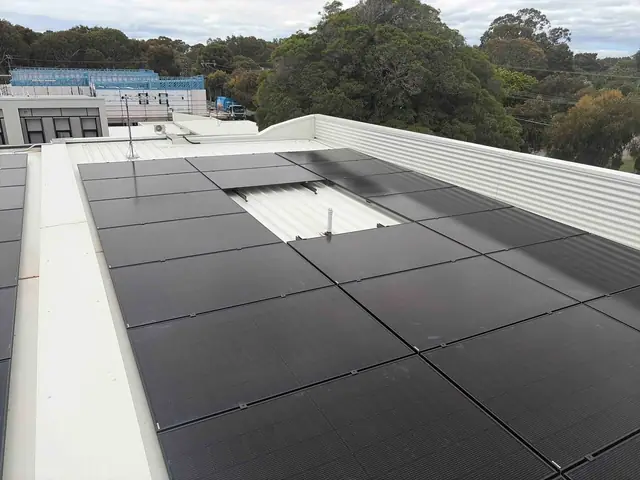
Your inverter has to match your supply. Single-phase homes use single-phase inverters; three-phase homes can use three-phase inverters that spread solar power across all three phases. Networks also set limits on how much solar can be connected and exported, and those limits can differ by phase. Your installer checks this and applies for approval before connecting.
Why does it matter for batteries?
Batteries come in single-phase and three-phase versions, or pair with inverters that do. On three-phase homes, backup arrangements also need care: some systems back up one phase, others all three. If keeping a three-phase appliance running in a blackout matters to you, tell us before we quote.
How do I find out which I have?
- Look at the main switch in your switchboard. Three-phase homes often have a wider main switch covering three poles.
- Check with your network or retailer.
- Ask us. We confirm it at the site inspection anyway, because it changes the equipment we quote.
Should I upgrade to three-phase?
Usually only when there is a clear reason, such as a very large solar system, large loads or specific equipment. The upgrade involves the network connection and switchboard work, and it is quoted separately. For most homes, the right single-phase equipment does the job.
A real example
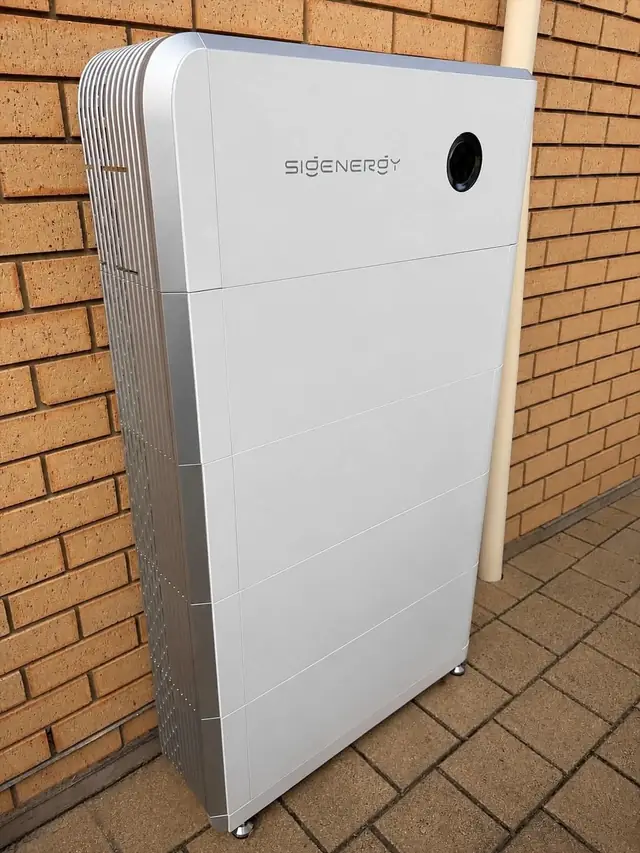
We installed a 48 kWh Sigenergy battery in Colebee. A battery that size needs the supply, the inverter and the network approval to line up, which is why we confirm the phase before we design anything.
What happens next?
When you request a proposal, we ask for a photo of your switchboard and a recent bill. That tells us most of what we need to know about your phase before the site inspection.
Written by the Panda Power team from our own installs and the questions customers ask us.