Quick answer
Choose solar size from your usage, not a standard number. A system that covers your daytime use and has some surplus for a battery or exports is the usual target. Roof space, shading, your phase and your network's export rules then set the upper limit.
Why is 6.6kW such a common size?
For years, 6.6 kW of panels on a 5 kW inverter was a standard single-phase package that fitted most roofs and network rules. It is still a sensible size for many homes. But it became common because it was convenient, not because it suits every household.
How should I work out my size?
Start with your bill and your habits:
- How much do you use a day? Your bill shows average daily usage.
- When do you use it? Daytime-heavy homes use more solar directly. Evening-heavy homes need storage or habit changes to benefit.
- What is coming? A battery, an EV, a pool or electrifying gas appliances all add load.
- What will the roof hold? Space, orientation and shading set the practical limit.
- What will the network allow? Export limits and phase rules can cap what is worth installing.
When does 10kW or more make sense?
- Higher daily use, especially during the day.
- Plans for a battery that needs surplus to charge.
- An EV that charges at home in daylight.
- East-west roofs where panels are spread across two faces.
When is smaller better?
- Low usage, with most of it in the evening and no plan for storage.
- Limited roof space or heavy shade.
- A tight export limit that would cap a bigger system.
Does battery size change the answer?
Yes. A battery needs surplus solar to fill it. If you plan a battery now or later, the solar system needs enough spare capacity on a typical day to charge it, on top of your daytime use. We size solar and battery together for that reason.
A real example
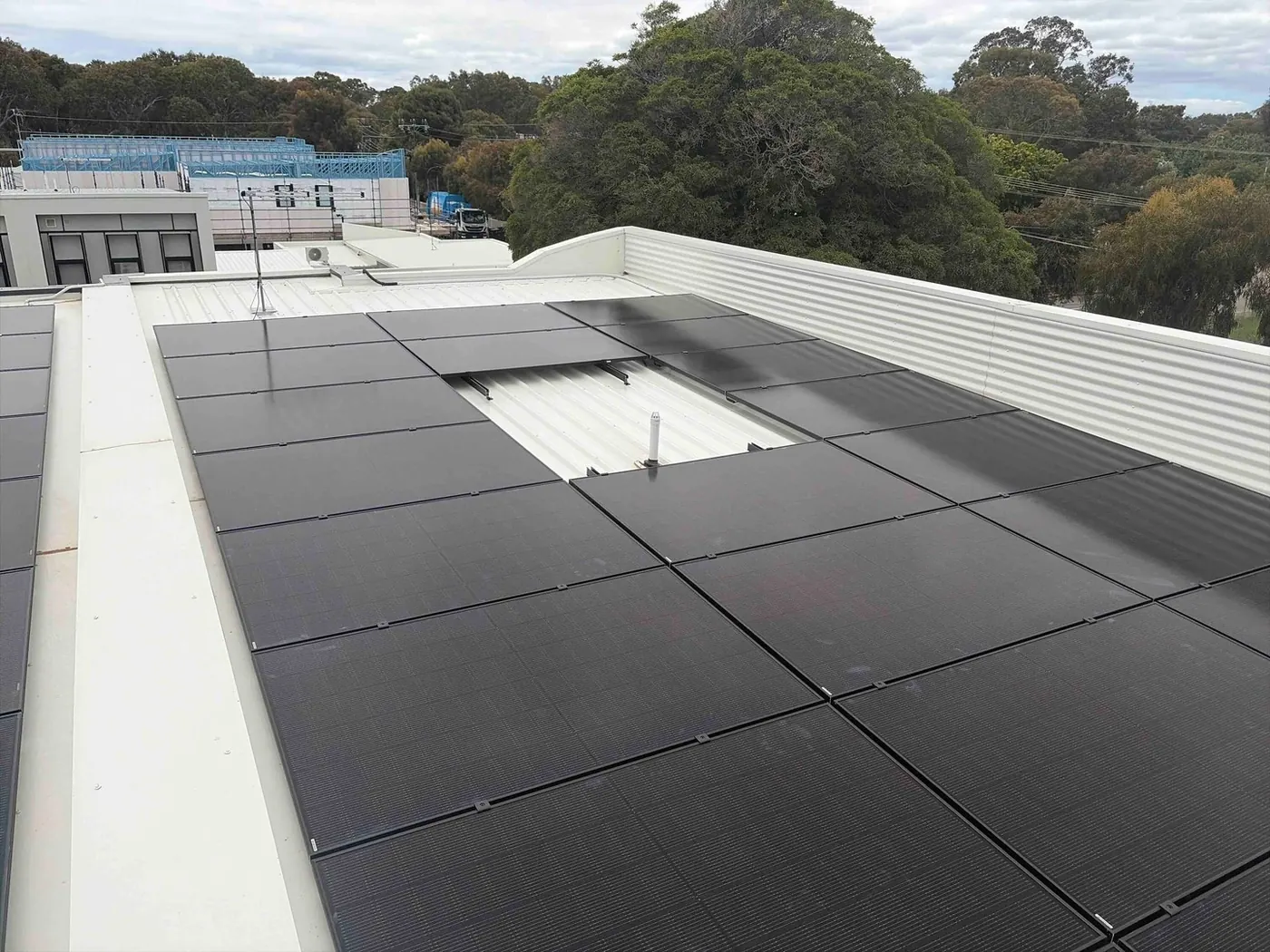
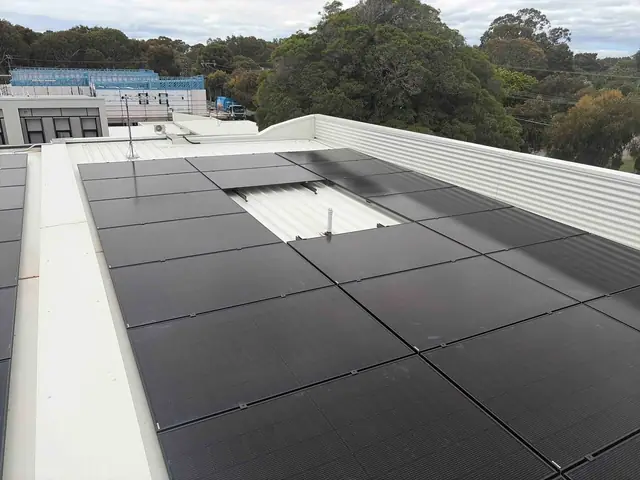
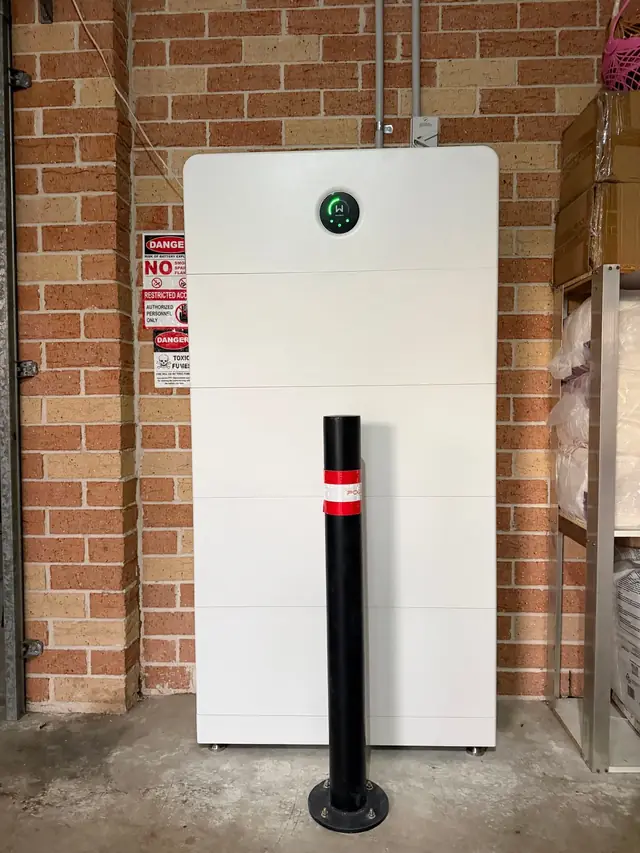
We installed 9 kW of Trina panels with a 24 kWh GoodWe battery in Oaklands. The solar was sized to run the home during the day and still have enough spare to charge the battery for the evening.
How we size it
We look at your bills, your roof and what you plan to add, then recommend a size and explain why. Prices for battery systems start from the range on our battery prices page; solar and battery are quoted after a site inspection.
Written by the Panda Power team from our own installs and the questions customers ask us.