Quick answer
A hybrid inverter manages solar panels and a battery in one unit, sending solar to the house, the battery or the grid as needed. You need one, or a separate battery inverter, to add a battery. If you are installing solar now and want a battery later, a battery-ready hybrid can save replacing the inverter.
What does an inverter do?
Panels make direct current (DC). Your home runs on alternating current (AC). The inverter converts one to the other and decides where the power goes.
What makes a hybrid different?
A standard solar inverter only handles panels. A hybrid inverter handles panels and a battery. It can:
- send solar to the house first
- charge the battery with surplus
- run the house from the battery in the evening
- export what is left to the grid
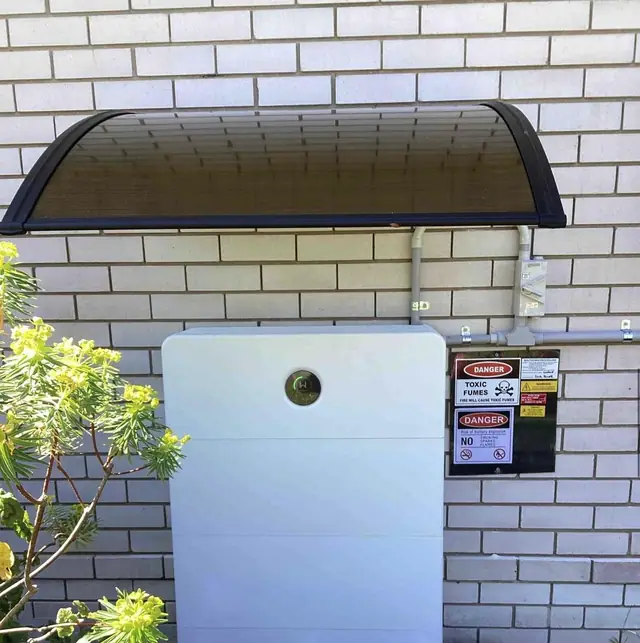
- in many setups, run the house in a blackout with the right backup hardware
Do I need a hybrid to have a battery?
You need some way to connect the battery. There are two common setups:
- Hybrid (DC-coupled). Panels and battery share one hybrid inverter. Efficient and tidy, and common when installing solar and battery together.
- AC-coupled. The battery has its own inverter and works alongside your existing solar inverter. Common when adding a battery to an older system.
Which one is right depends on your existing inverter's age and condition, your switchboard, and whether you want backup.
When does a hybrid make the most sense?
- Installing solar and a battery together.
- Installing solar now and planning a battery later: choose a battery-ready hybrid.
- Replacing an old solar inverter that is near the end of its life anyway.
Is a hybrid inverter more expensive?
Usually more than a basic solar inverter. If a battery is in your plans, it can avoid paying for a second inverter later. We quote the options side by side so you can see the difference.
A real example
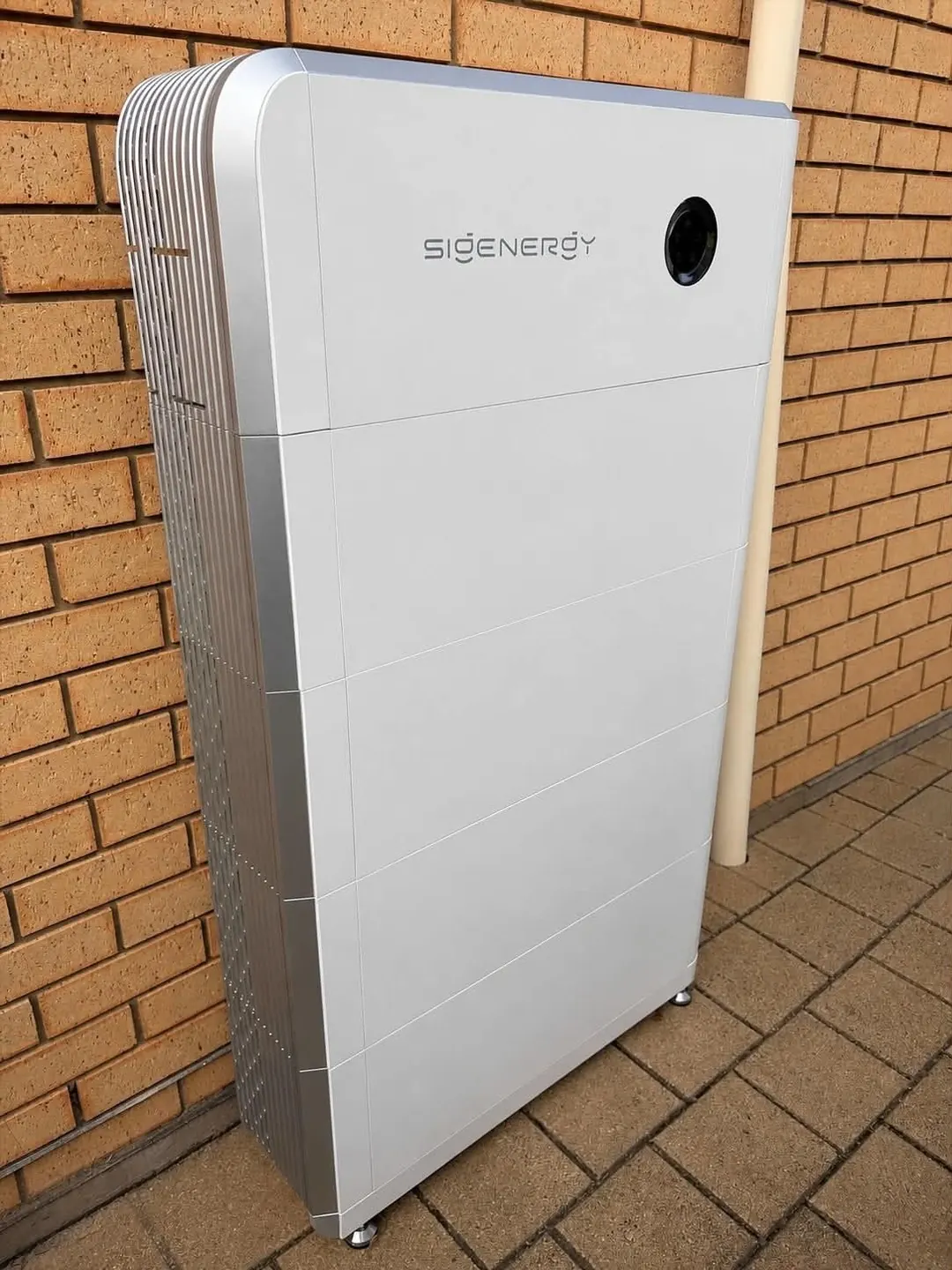
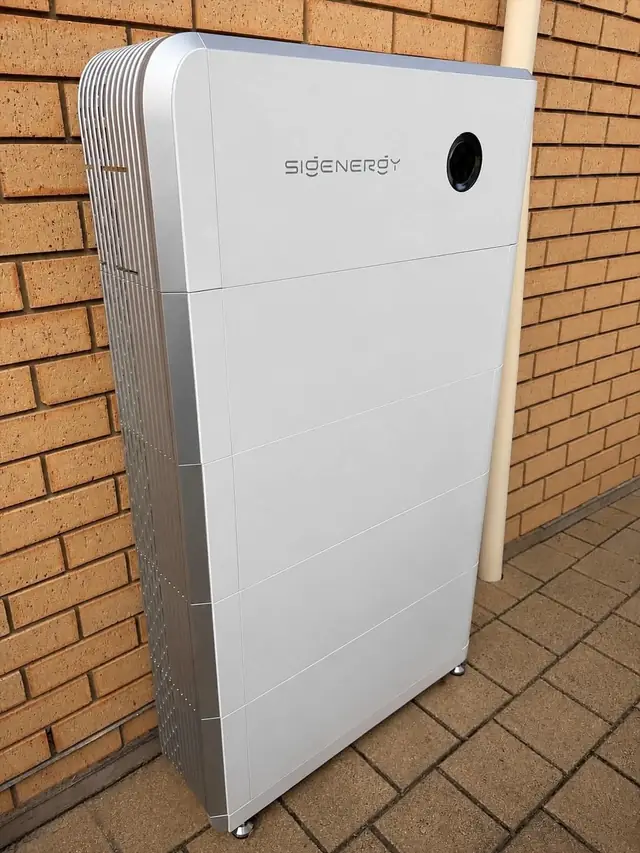
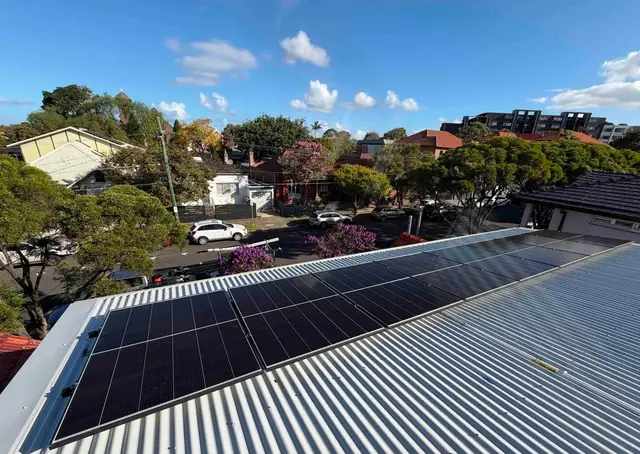
We installed 10 kW of Trina panels with a 32 kWh Sigenergy battery in Northgate. The panels, battery and backup are managed as one system, so the owners see production, storage and usage in a single app.
What should you do?
If a battery is likely in the next few years, tell us now. We will recommend an inverter that suits today's system and tomorrow's battery.
What it costs
Home batteries from $6,999 to about $15,999
base prices after rebates, inc GST, as at October 2026
What affects the price: battery size, brand and inverter, whether you already have solar, backup wiring, and any additional work at your home.
Base price for a standard install, after government rebates, inc GST, as at October 2026. Additional work such as switchboard upgrades, three-phase changes or complex installs is reviewed and quoted separately.
Get a fixed quote → · See battery prices →
Written by the Panda Power team from our own installs and the questions customers ask us.