Quick answer
Solar can still be worth it if you are out all day, because fridges, hot water and other appliances keep running. But more of your power will be exported at a low feed-in rate, so timers and a battery make a bigger difference for daytime-empty homes. Whether it stacks up depends on your evening use and your plan.
Does a house use power when nobody is home?
Yes. Fridges and freezers run all day. Hot water systems, pool pumps, security systems and devices on standby all draw power. That daytime baseline uses some of your solar directly.
So where does the rest go?
If nobody is home, much of your midday solar is exported to the grid at the feed-in rate, and you buy power back in the evening at a higher price. That is the main challenge for daytime-empty homes. Read what happens to unused solar.
How do I get more value from solar if I'm out?
- Timers and delay start. Set the dishwasher, washing machine and dryer to run at midday.
- Hot water on solar. Set the hot water system or heat pump to heat during the day where your setup allows.
- Pre-cool or pre-heat. Some air conditioners can be scheduled to run in the afternoon before you get home.
- Charge the car in daylight on weekends, or use a smart charger if the car is home.
- Store the surplus. A battery fills up while you're out and runs the house in the evening.
Is a battery the answer?
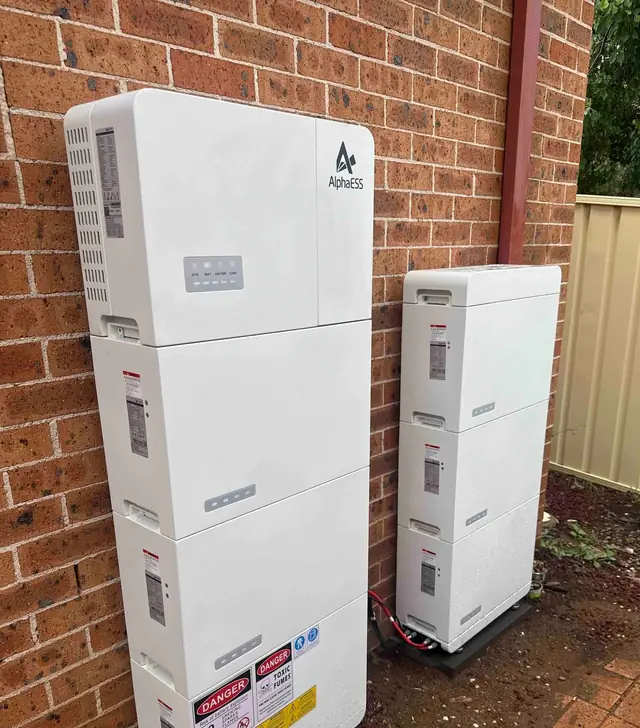
For many daytime-empty homes, a battery is what makes solar work well. You have a large surplus during the day and most of your use at night, which is exactly what a battery shifts. Whether it pays off depends on how much you export, your evening use, your plan and the battery cost. We look at your bills before recommending it.
A real example
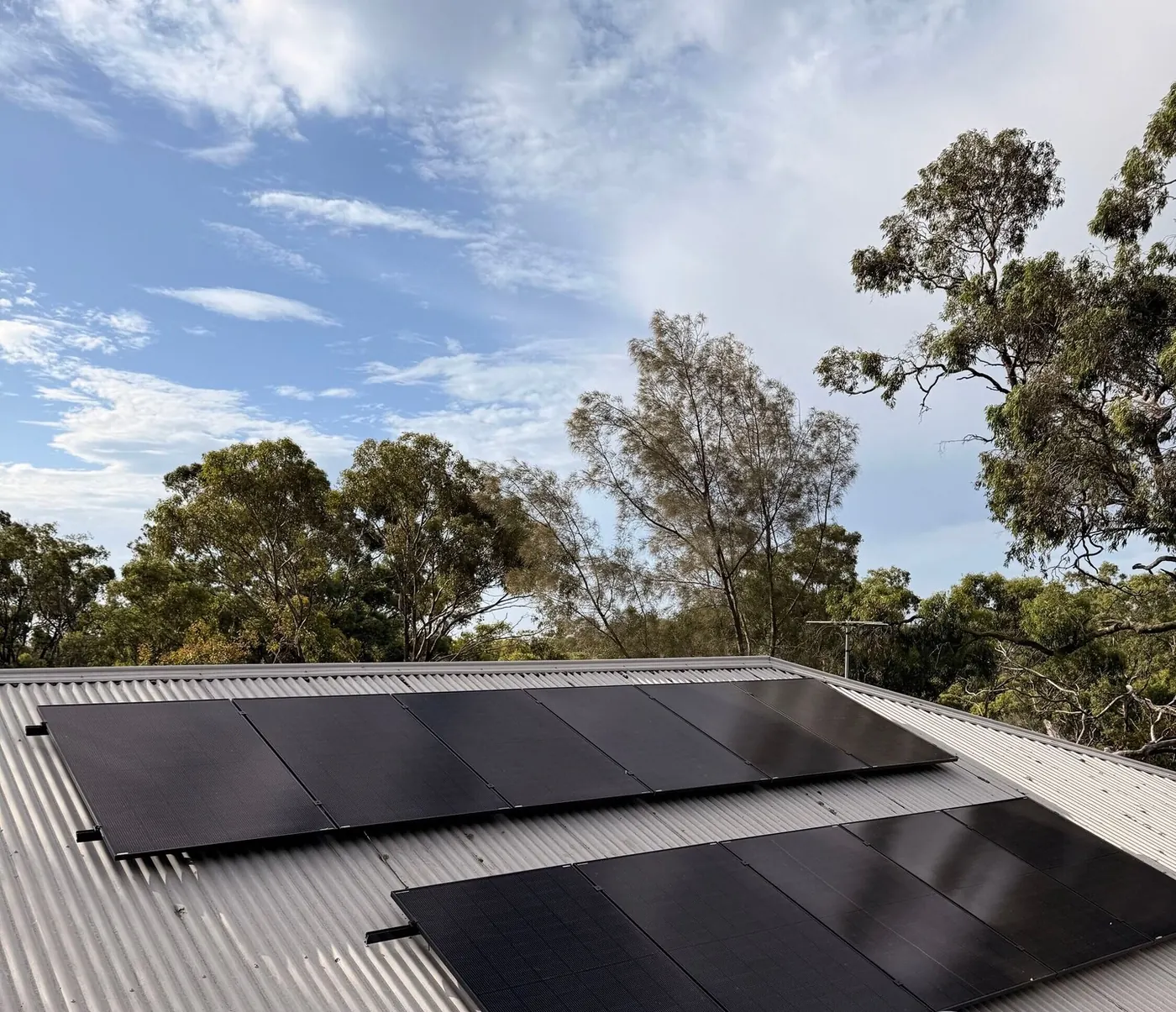
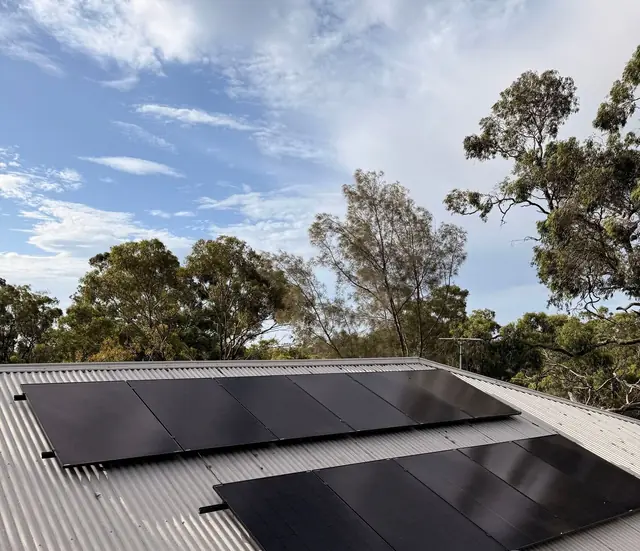
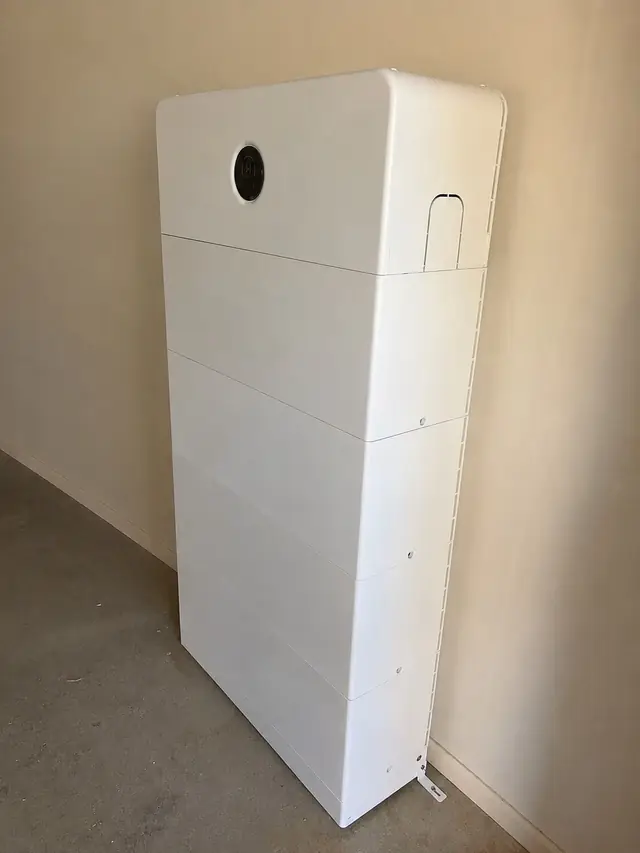
We installed 6.6 kW of AE Solar panels with a 41.6 kWh GoodWe battery in Eden Hills. A setup like this lets a home bank its daytime solar and run on it well after sunset.
What should you do?
Send us a recent bill and tell us when the house is usually empty. We will show you how much of your solar would be used, stored or exported, and whether a battery makes sense for your routine.
What it costs
Home batteries from $6,999 to about $15,999
base prices after rebates, inc GST, as at October 2026
What affects the price: battery size, brand and inverter, whether you already have solar, backup wiring, and any additional work at your home.
Base price for a standard install, after government rebates, inc GST, as at October 2026. Additional work such as switchboard upgrades, three-phase changes or complex installs is reviewed and quoted separately.
Get a fixed quote → · See battery prices →
Written by the Panda Power team from our own installs and the questions customers ask us.