Where does the power go?
Your inverter sends solar power to wherever it is needed, in this order:
- Your home. Anything running right now uses solar first.
- Your battery, if you have one. Surplus power charges the battery.
- The grid. Whatever is left after that is exported to the street and on to your neighbours.
You do not have to do anything. It happens automatically, all day.
Do I get paid for exports?
Yes. Your retailer credits you a feed-in tariff for each kilowatt-hour you export. It appears on your bill as a credit. The rate is usually much lower than the price you pay to buy power, which is why using your own solar is worth more than exporting it. Read why feed-in tariffs are low for more.
Is there a limit to how much I can export?
Often, yes. Electricity networks manage how much power homes can send back at once, so many systems have an export limit set in the inverter. Your installer applies to the network for approval before connecting a system. If your system is export-limited, extra solar on very sunny days can be held back. Using more during the day or adding a battery puts that power to work.
How do I use more of my own solar?
- Run big appliances in the day. Dishwasher, washing machine, dryer and pool pump. See the best time to run appliances.
- Heat water with solar. Set your hot water system or heat pump to run in the middle of the day where your setup allows.
- Charge the car in daylight. If you have an EV and are home, charging at midday uses your own power.
- Store it. A battery keeps the surplus for the evening peak.
What does a battery change?
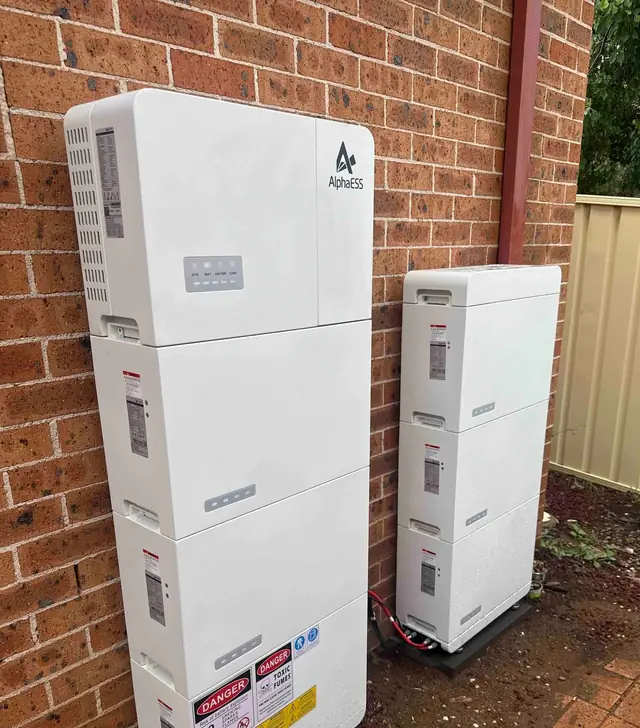
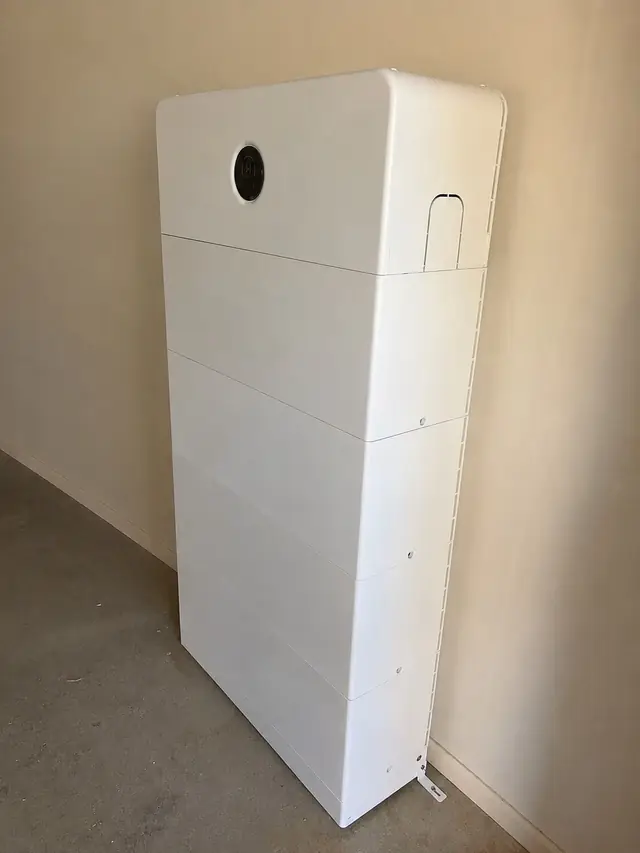
Without a battery, most families export a lot in the middle of the day and buy it back at night. With a battery, the midday surplus fills the battery and runs the house after sunset. You export less and buy less. How much less depends on your usage, your system and the battery size.
A real example
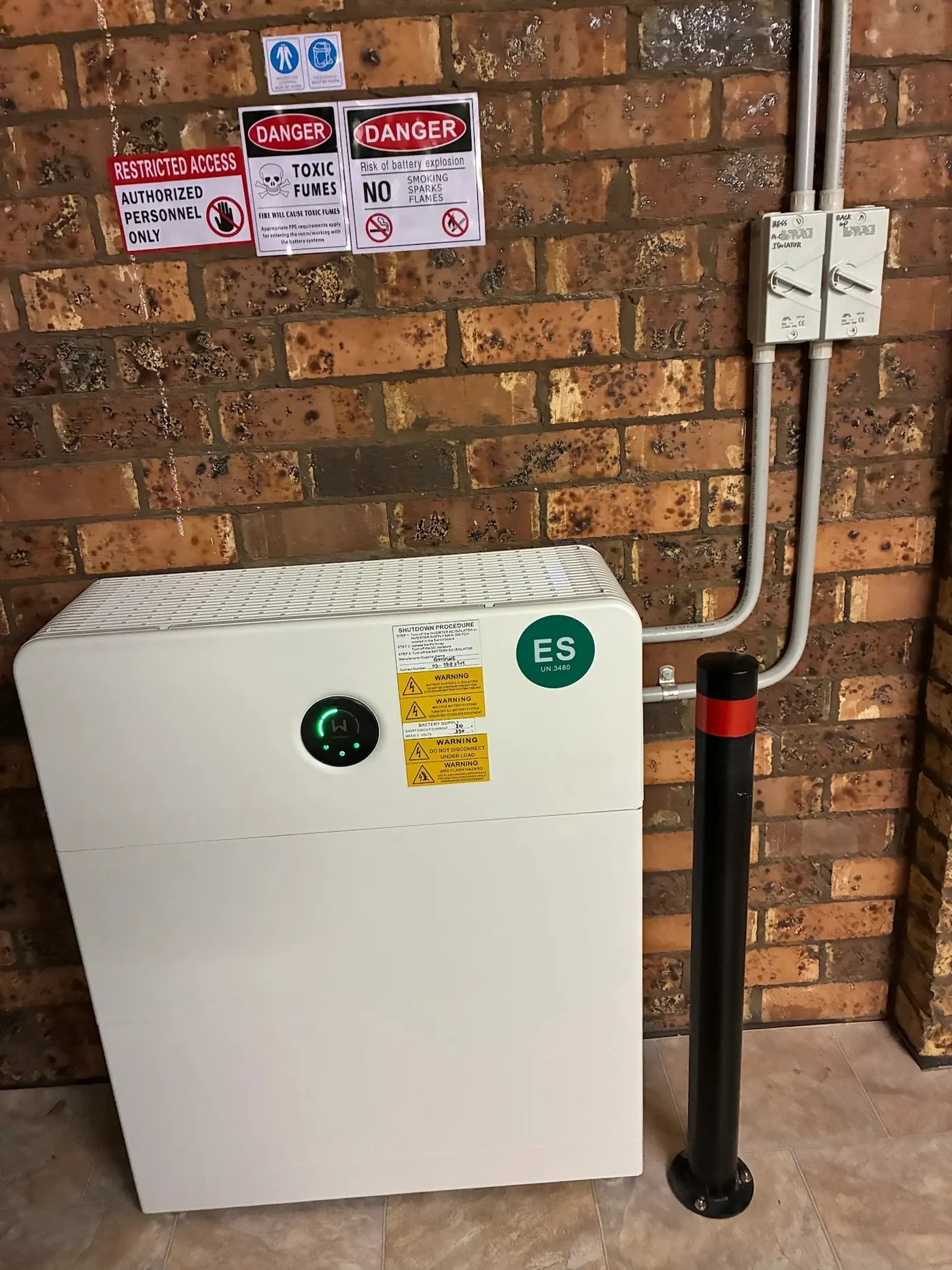
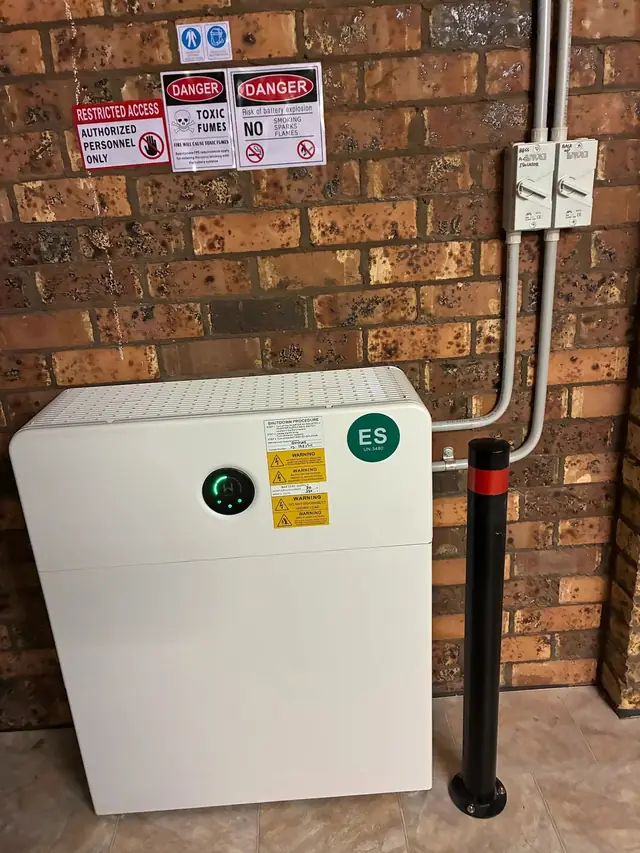
We installed a 16.64 kWh GoodWe battery for a home in Winmalee. Before the battery, their daytime surplus went to the grid. Now it charges the battery first, and the house draws on that stored solar later in the day.
The bottom line
Unused solar is never wasted: it goes to the grid and earns a small credit. But keeping it for your own use is usually worth more. If you are exporting most of what you make, ask us whether a battery or a change in habits makes more sense for your home.
Written by the Panda Power team from our own installs and the questions customers ask us.