Why do retailers pay so little for my solar?
Around midday, millions of rooftop systems export at the same time. There is plenty of power on the grid, so each extra kilowatt-hour is worth very little to the retailer that buys it. In the evening, when everyone is home and the sun has set, power is scarce and expensive. You sell cheap at noon and buy dear at night. That gap is the whole story.
Why did my feed-in rate drop?
Common reasons:
- Your plan changed or rolled over. Introductory rates often end after a set period.
- You moved to a different plan type. Some plans pay more for exports but charge more for usage.
- Market rates fell. Retailers adjust their offers over time.
Check the "solar feed-in" line on your bill and your plan details on the retailer's website.
What can I actually do about it?
1. Use more of your own solar. Every kWh you use yourself saves the full purchase price instead of earning a small credit. Run the dishwasher, washing machine, dryer, pool pump and hot water in the middle of the day. Our guide on the best time to run appliances has the details.
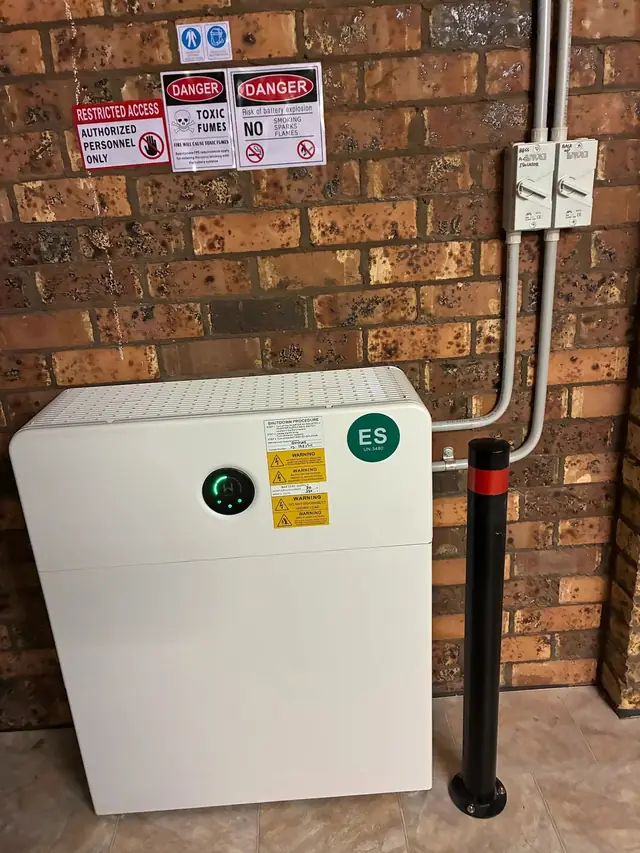
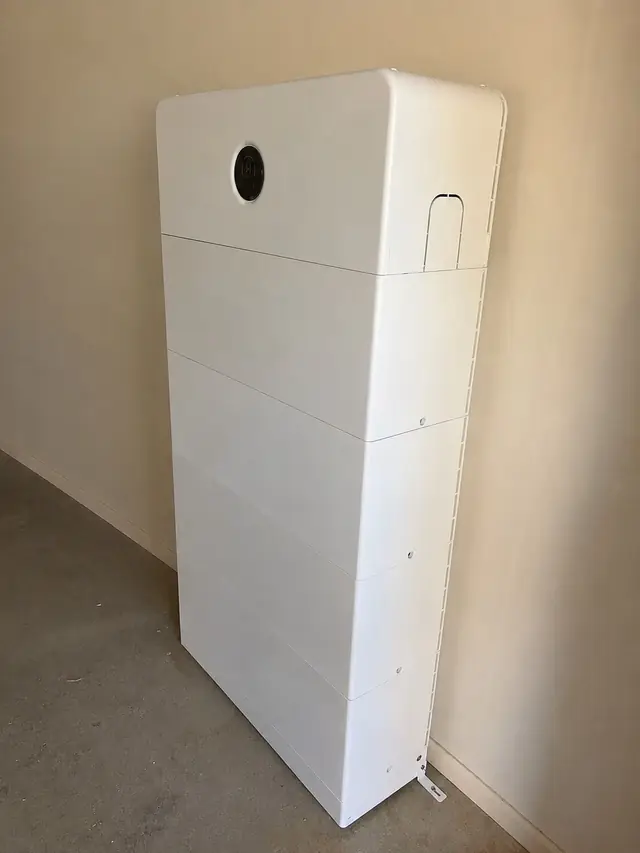
2. Store it. A battery keeps your midday surplus for the evening, when grid power costs most.
3. Compare plans properly. Look at usage rates, supply charges and the feed-in rate together, using your own figures from a recent bill. Some plans pay more for exports at certain times of day; whether that suits you depends on when your system exports.
4. Check your system is producing. If your exports suddenly drop, it may be your system, not your plan.
Does a battery make sense just because the feed-in tariff is low?
It is one of the main reasons people add one. A low feed-in rate means exported solar earns little, so storing it for the evening is worth more. Whether a battery stacks up for you depends on how much you export, how much you use at night, your plan and the battery cost. We look at all of that before recommending one, and we will tell you if it does not suit your home.
A real example
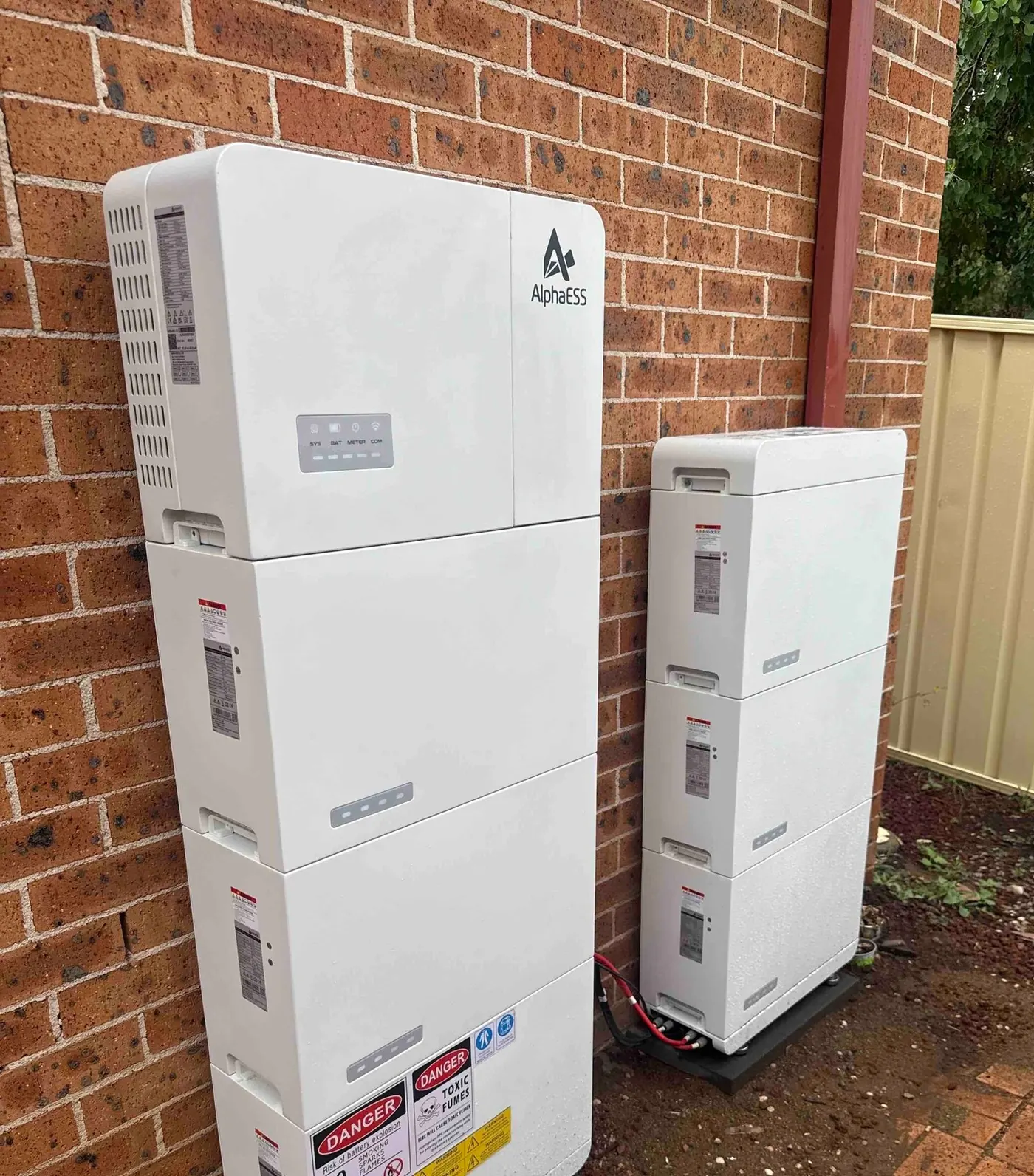
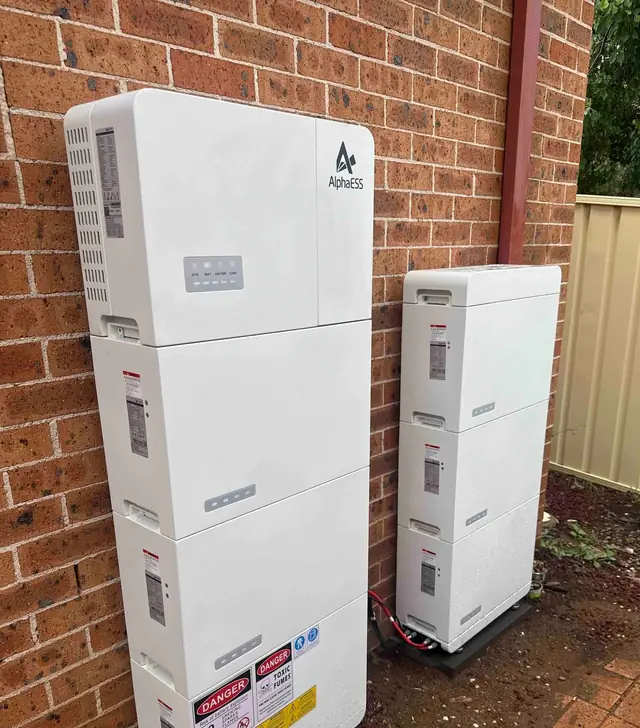
We installed a 30 kWh AlphaESS battery with a 7.91 kW solar system in Glenmore Park. Instead of exporting most of the midday solar at the feed-in rate, the home stores it and uses it in the evening.
The short version
A low feed-in tariff is a sign to keep more of your solar at home. Shift use into the day, consider storage, and compare plans on the whole bill. Send us a recent bill and we will show you how much you are exporting and what it is worth.
Written by the Panda Power team from our own installs and the questions customers ask us.