Why does solar not wipe out my bill?
Solar panels make power during daylight. Your home uses that power first, and anything left over goes back to the grid. Once the sun goes down, the house runs on grid power again. For many families the busiest hours are breakfast and the evening: cooking, heating or cooling, washing, TV and devices. Those hours are mostly outside solar hours, so they still show up on the bill.
Most bills also have a fixed daily supply charge. You pay it every day you are connected, whether you use any grid power or not. Solar cannot reduce it.
Which part of the bill should I look at first?
Look at three lines:
- Grid usage (kWh bought). This is the power you bought. If it is high, most of your use is happening when the panels are not producing.
- Feed-in credit. This is what the retailer paid you for exports. A large export figure with a small credit means you are sending a lot of power out for very little.
- Daily supply charge. A fixed amount per day. Compare it between retailers when you shop around.
Our guide on reading a bill with solar walks through each line.
What usually causes a high bill with solar?
- Evening-heavy use. Cooking, air conditioning and hot water in the evening are the most common cause.
- A low feed-in tariff. If you export most of what you make, a low rate turns good solar days into small credits.
- A tariff change. Moving to time-of-use pricing can raise the cost of evening power. Check your plan details.
- More appliances. A pool pump, EV, ducted air conditioning or a new family member all add use.
- A system that is not working. A tripped isolator, an inverter fault or heavy shading can cut output without anyone noticing.
How do I check my system is actually working?
Open the inverter app or look at the inverter screen. On a clear day you should see production rise in the morning, peak around midday and fall in the afternoon. Compare today with a similar day last month. Zero output on a sunny day, or an error message, needs a call to your installer. See how to tell if your panels are working.
What actually brings the bill down?
- Move use into the day. Run the dishwasher, washing machine, pool pump and hot water while the sun is up. Timers make this easy.
- Store the surplus. A home battery keeps daytime solar for the evening, so you buy less at night.
- Shop the plan. Compare usage rates, supply charges and feed-in rates together. A higher feed-in rate with a higher supply charge is not always better.
- Fix faults fast. Every day a system is down is a day of full-price power.
A real example
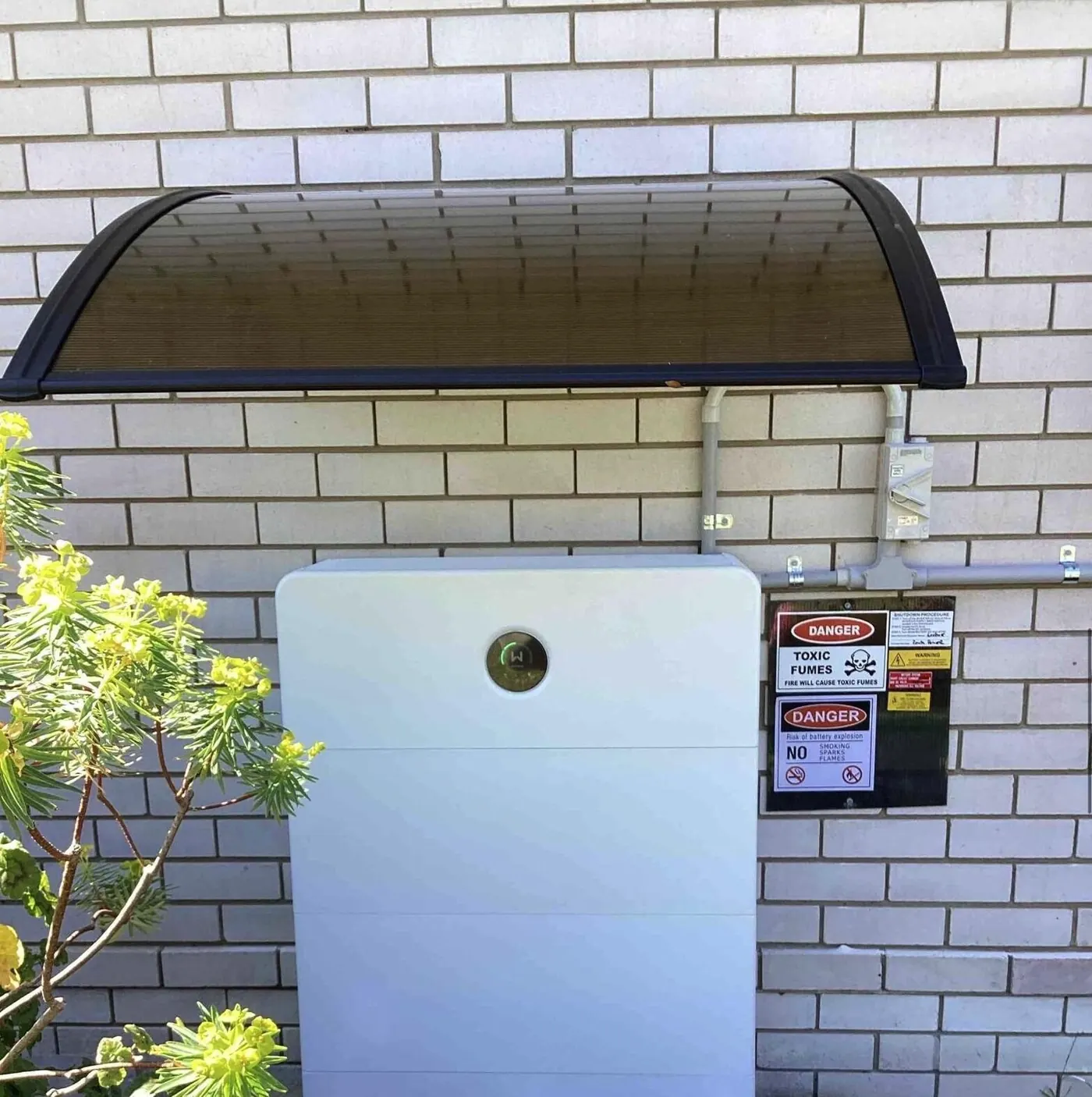
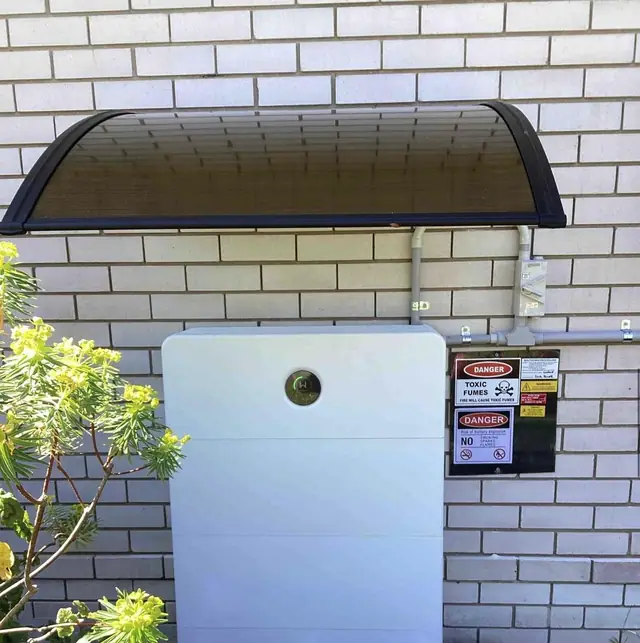
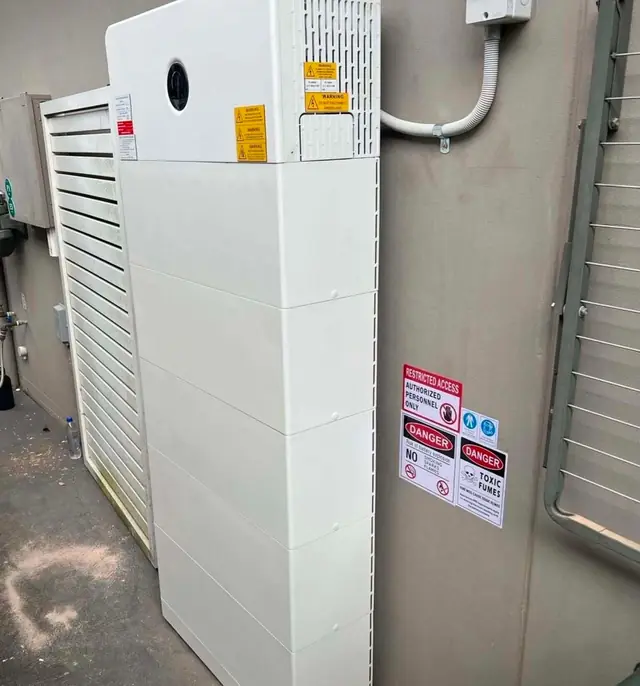
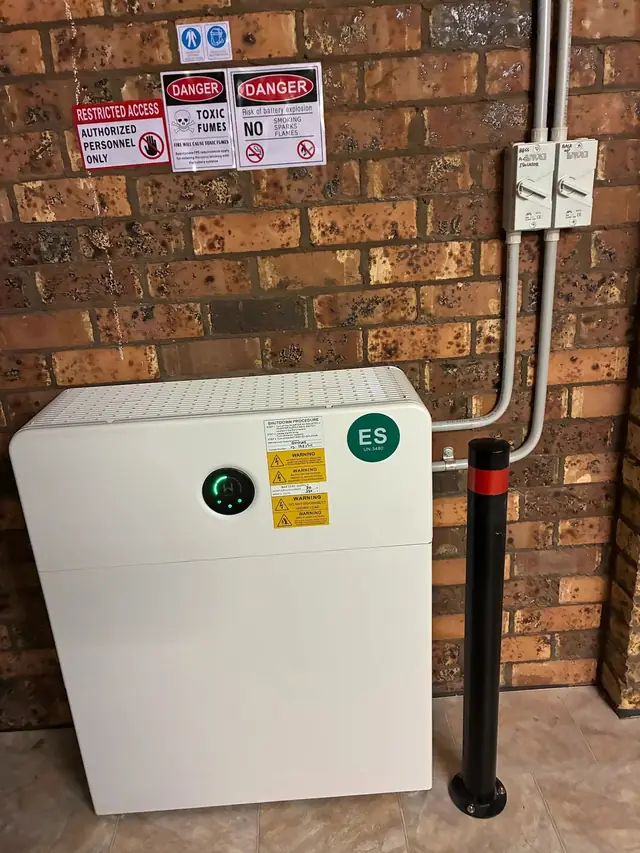
We added a 16.6 kWh GoodWe battery to a home in Loftus that already had solar. The owners wanted their daytime solar to carry the house into the evening instead of being exported. That is the most common reason we see for adding a battery to an existing system: the panels are working, but the power is being used at the wrong time.
When should you get help?
If you have checked your usage, your plan and your system and the bill still does not make sense, send us a recent bill. We look at when you use power and whether your system is producing what it should, then tell you plainly what would help, including when the answer is to change nothing.
Written by the Panda Power team from our own installs and the questions customers ask us.