Quick answer
A battery's capacity, in kilowatt-hours (kWh), is how much energy it stores. Its power, in kilowatts (kW), is how much it can supply at one moment. Capacity decides how long the battery can keep your home running; power decides how many appliances it can run at the same time. Two batteries with the same kWh can behave differently if their power ratings differ, so compare both on a quote.
The quick version
- kWh (capacity) is how much energy the battery stores. Think of it as the size of the tank.
- kW (power) is how fast it can deliver that energy. Think of it as the width of the tap.
A home needs enough of both.
Why capacity matters
Capacity decides how long the battery can keep your home running after the sun goes down. The more energy you use in the evening and overnight, the more usable kWh you need. Remember to compare usable capacity, not just the total on the label. Our guide on usable vs total capacity explains the difference.
Why power matters
Power decides how many things the battery can run at the same moment. Cooking dinner with the oven on, the air conditioner running and the kettle boiling adds up quickly. If the battery system cannot supply all of it at once, the rest comes from the grid. In a blackout, a low power rating can mean some appliances will not run on backup.
The power you get usually depends on the inverter as much as the battery, so check the inverter's rated output on your quote. Our guide on hybrid inverters covers how they work.
How the two work together
Two batteries with the same kWh can feel very different:
- A battery with high capacity and modest power is good at running everyday loads for many hours.
- A battery with high power handles big loads at once, such as air conditioning plus cooking.
Most homes want a balance. We look at your bills, your appliances and what you want running in a blackout before recommending one.
What to check on a quote
- Usable capacity in kWh.
- The inverter's rated output in kW, and the battery's continuous power.
- Whether backup is included, and which circuits it covers.
If a quote lists only one of these numbers, ask for the others. Our guide on what a quote should include has a full checklist.
A real example
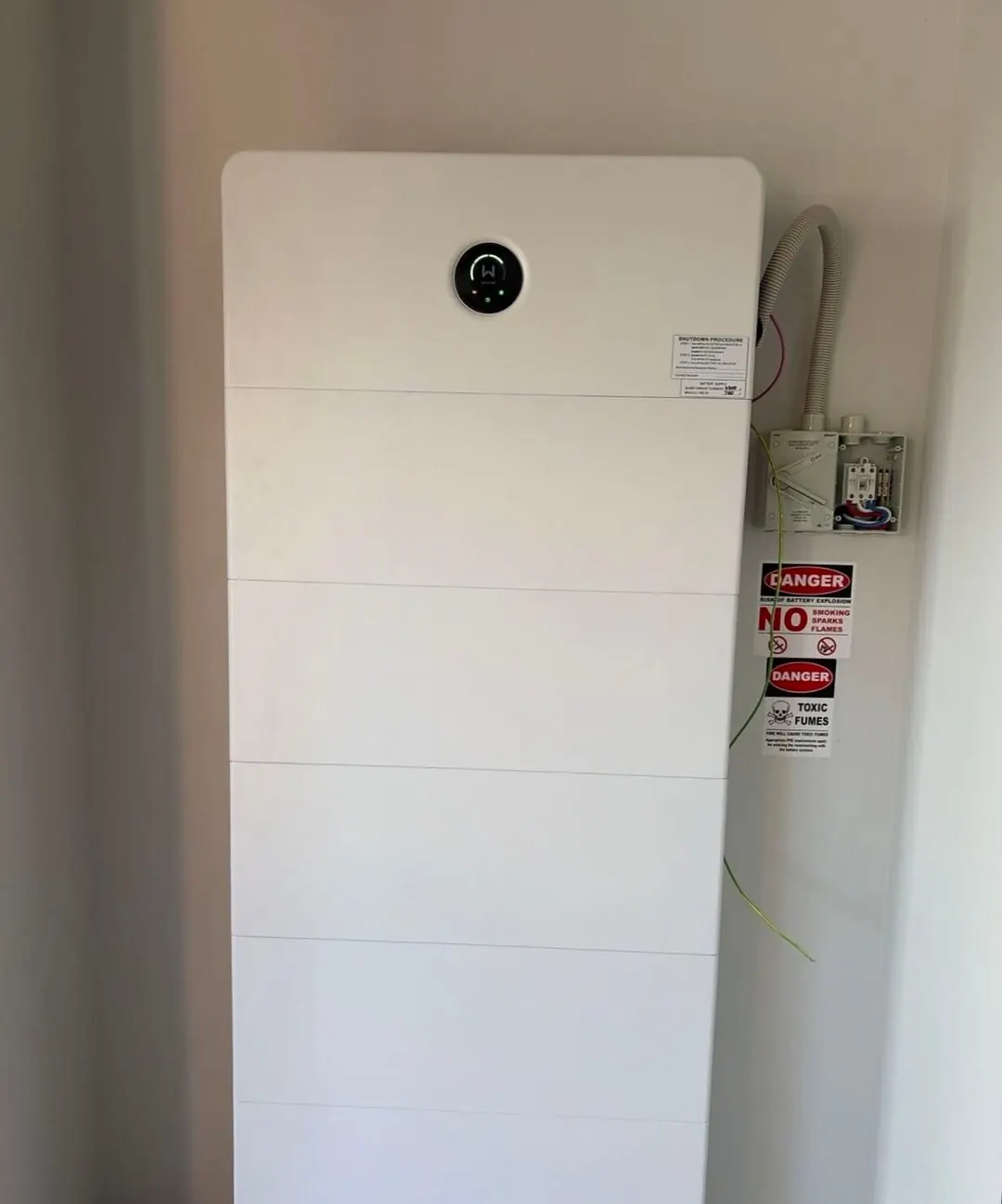
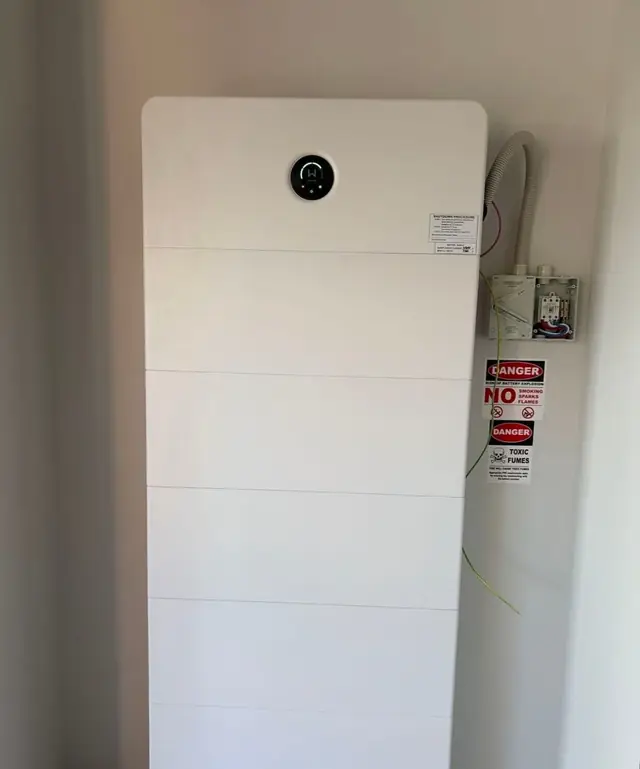
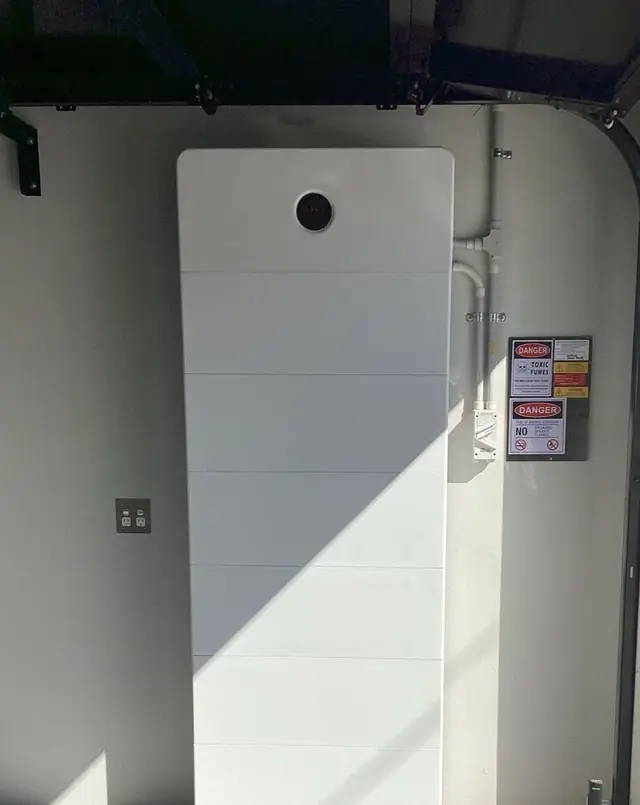
We installed a 49 kWh GoodWe ESA Series battery in Para Vista, one of the larger home batteries we install. A battery that size is chosen for capacity, to hold a lot of solar for the evening and overnight; the inverter is chosen separately for the power the home needs at once.
Next step
Request a proposal. We work out both numbers, capacity and power, from your usage and confirm them at the site inspection.
What it costs
Home batteries from $6,999 to about $15,999
base prices after rebates, inc GST, as at October 2026
What affects the price: battery size, brand and inverter, whether you already have solar, backup wiring, and any additional work at your home.
Base price for a standard install, after government rebates, inc GST, as at October 2026. Additional work such as switchboard upgrades, three-phase changes or complex installs is reviewed and quoted separately.
Get a fixed quote → · See battery prices →
Written by the Panda Power team from our own installs and the questions customers ask us.