How it works · 3 min read · 17 September 2026
Do Solar Panels Work During a Blackout?
Most grid-connected solar systems switch off in a blackout for safety. Here is why, and what it takes to keep power on: a battery with backup.
Read article →
How it works · 3 min read
Quick answer
Yes. Solar panels keep producing on cloudy days because they run on daylight, not heat, but output drops as clouds get thicker. Your home simply draws more from the grid, or from a battery, to make up the difference. Nothing needs to be switched over by hand.
No. Solar panels turn daylight into electricity. Direct sun gives the most output, but light still reaches the panels through cloud. On a thin, bright overcast day a system can still produce a fair amount. On a dark, stormy day output can fall to a small fraction of a sunny day.
Nothing you need to manage. Your inverter sends whatever the panels are making to the house first. If the house needs more than the panels can supply, the difference comes from the grid, or from your battery if you have one. If clouds pass and output jumps, the house uses that power and any surplus is exported or stored. It all happens automatically, second by second.
It depends on how thick the cloud is and how long it lasts. A light haze makes a small difference. Heavy cloud makes a large one. The best way to see your own numbers is your inverter app: compare a grey day with a clear one. Over a year, sunny and cloudy days average out, and that yearly total is what a system is sized on.
A battery stores surplus from good solar hours so you can use it later. On a run of cloudy days there may be less surplus to store, so the battery may not fill. It will still take whatever spare solar is available and use it in the evening, and many batteries can also be set to charge from the grid at cheaper times if your plan allows. A battery does not make cloudy days sunny, but it makes better use of the power you do get.
Sometimes. A bigger system produces more on every day, cloudy ones included, which can help homes with high daytime use. But on sunny days the extra power is mostly exported at a low feed-in rate unless you can use or store it. That is why we size systems from your actual usage and your roof, not from the worst day of the year.
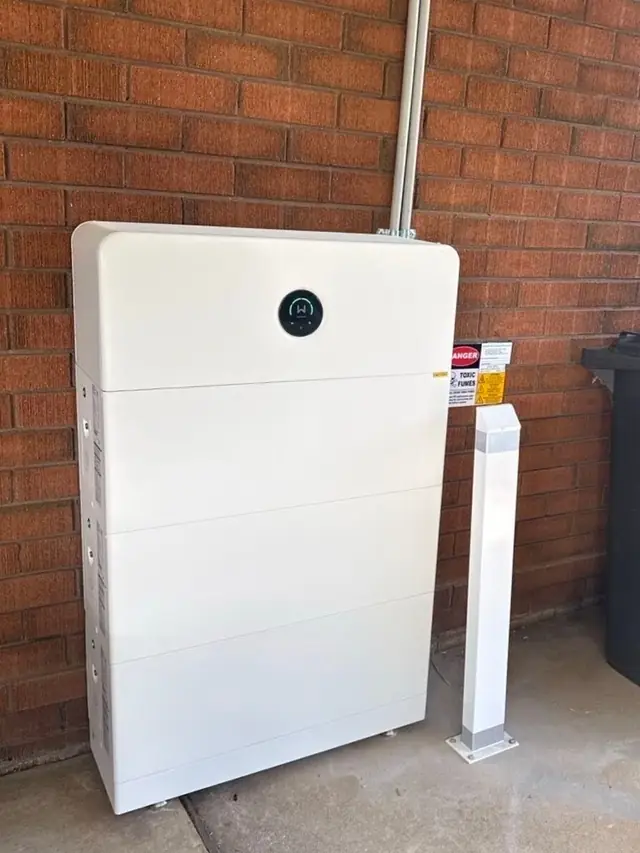
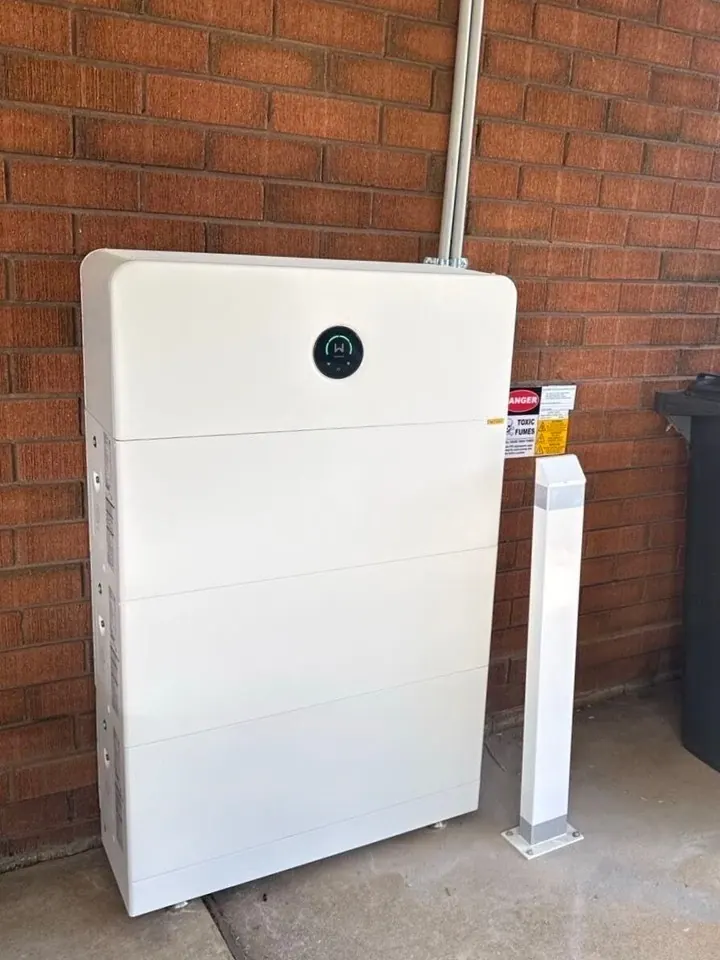
We installed 9 kW of Jinko solar panels with a 24 kWh GoodWe battery for a home in Glenfield. On grey days the panels still feed the house and top up the battery where they can, and the battery covers the evening. The owners do not switch anything; the system decides where each unit of power goes.
Cloudy days are part of the year every solar system is designed for. If your output looks low even on clear days, that is a different issue and worth checking. See how to tell if your solar panels are working.
A real Panda Power install that shows this topic in practice.
More practical guides from the Panda Power team.
How it works · 3 min read · 17 September 2026
Most grid-connected solar systems switch off in a blackout for safety. Here is why, and what it takes to keep power on: a battery with backup.
Read article →
Sizing · 3 min read · 29 September 2026
The right solar size depends on your daytime use, your evening use, your roof and network limits. Here is how to choose between 6.6kW, 10kW and bigger.
Read article →Written by the Panda Power team from our own installs and the questions customers ask us.
56 days left
Install before 1 January 2027