Quick answer
In NSW you can get an incentive for connecting a home battery of 2 to 50 kWh to a virtual power plant through a provider that offers it. It is based on the battery capacity you make available, up to 28 kWh, is claimed once per meter (NMI), and can be combined with the federal Cheaper Home Batteries discount. The amount depends on the provider.
What is a virtual power plant?
A virtual power plant (VPP) links many home batteries together through a provider. At busy times, the provider can draw a little energy from the connected batteries to support the grid. In return, households get incentives and, with many providers, ongoing payments for the energy their battery supplies. Read the battery rebates 2026 guide for how this fits with the federal discount.
Who can get the NSW VPP incentive?
According to the NSW Government:
- households and small businesses in NSW with a battery may be eligible
- the battery must be between 2 and 50 kWh (the 50 kWh limit applies from 1 July 2026)
- it must be connected to the grid, through a provider that offers the incentive and a compatible retailer
- batteries at apartment buildings are not eligible
- it is claimed once per National Metering Identifier (NMI), the number for your electricity meter
- if you already claimed it between 1 November 2024 and 30 June 2025, you cannot claim it again
How is the incentive worked out?
It is based on the battery capacity you make available to the grid, up to 28 kWh. The amount varies by provider and the conditions they offer, so compare offers. We don't quote a dollar figure because each provider sets its own.
How do I claim it?
- Compare VPP providers and their conditions.
- Sign the provider's contract and the nomination form. The nomination form must be signed before you receive the incentive.
- After the cooling-off period, complete the provider's form. Once your details are confirmed, the incentive is paid: upfront, in instalments or as a credit on your power bill.
Did the contract rules change?
Yes. From 12 October 2026 the scheme no longer requires the demand-response contract to run for at least 12 months. Providers can still set their own terms, so read the contract.
Does it stack with the federal discount?
Yes. The NSW Government confirms it can be combined with the federal Cheaper Home Batteries Program, which reduces the upfront price of the battery itself. The VPP incentive is separate and comes from the VPP provider.
A real example
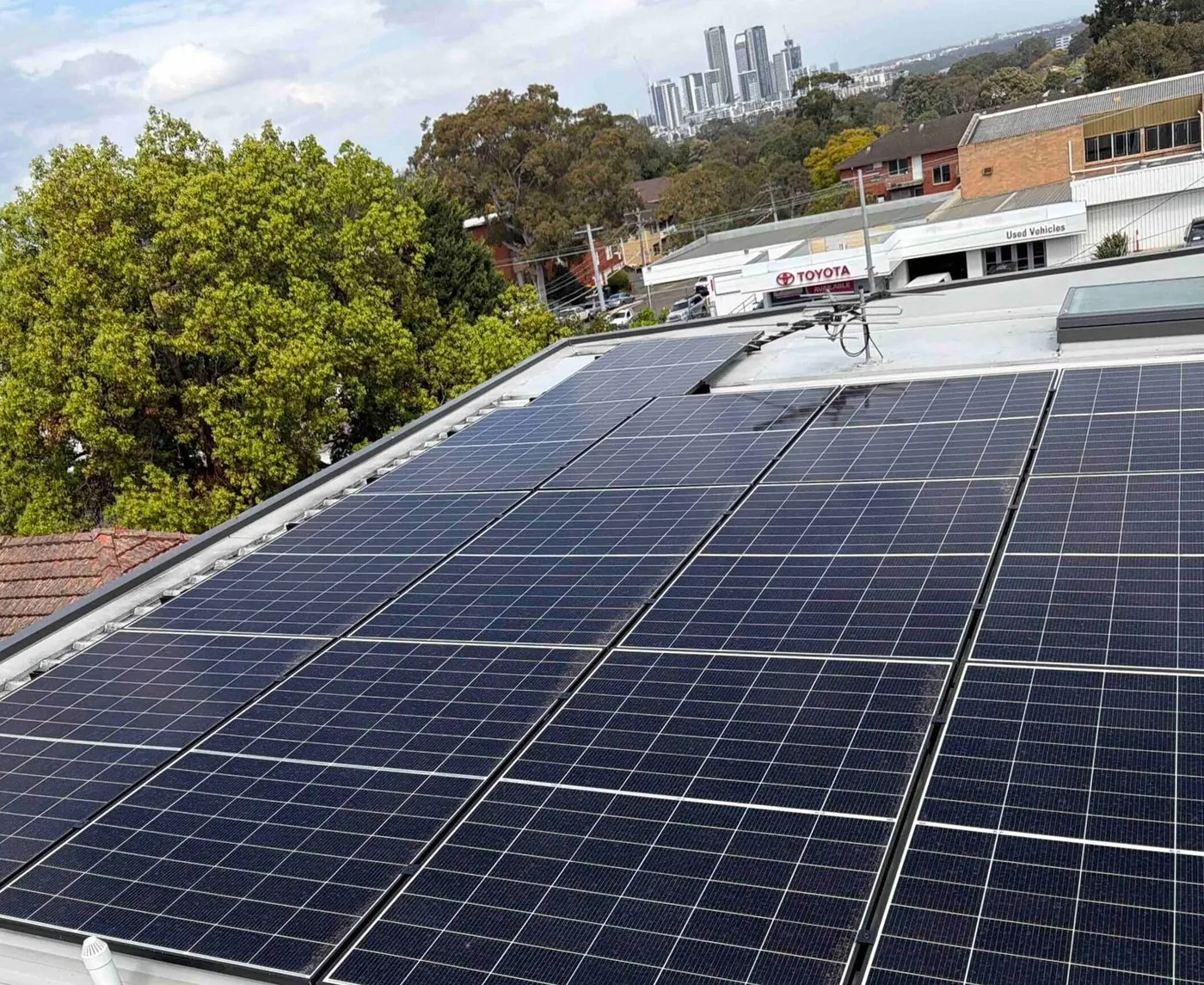
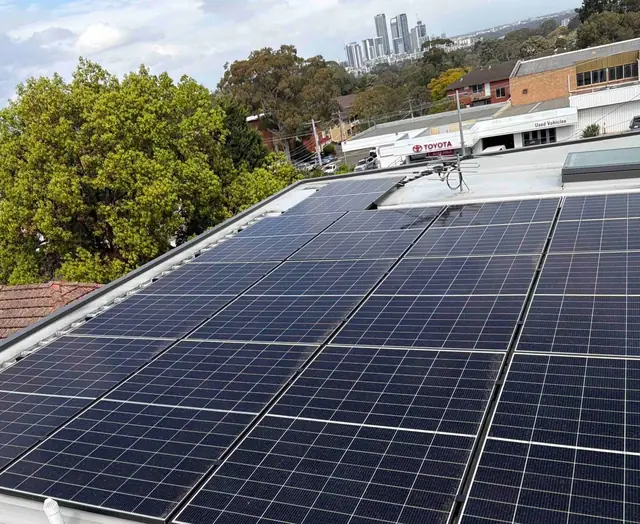
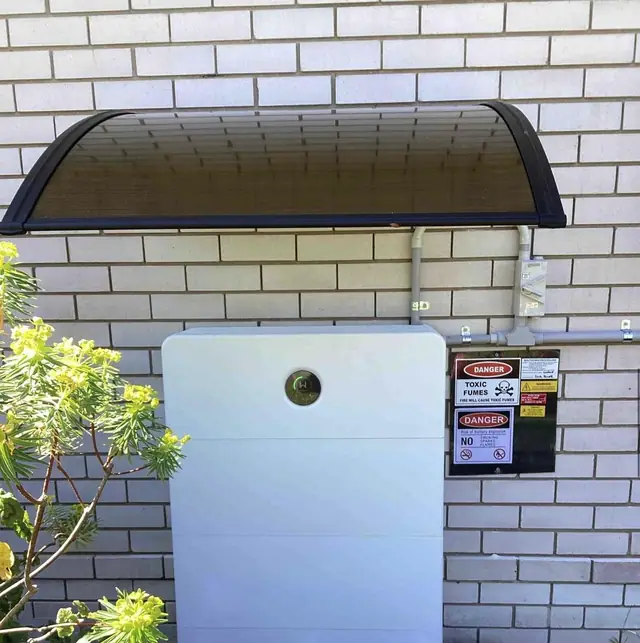
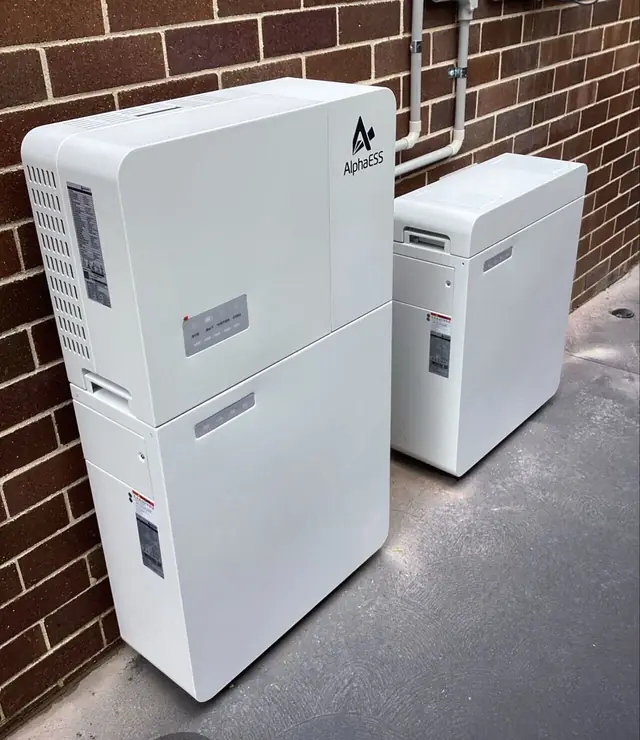
We installed 10 kW of Trina panels with a 36 kWh Sigenergy battery in West Ryde. A battery like this is VPP-capable, so the owners can choose whether to join a VPP and claim the incentive.
Want help choosing?
Ask us when you request a proposal. We will explain how a VPP would work with your battery so you can compare providers.
What it costs
Home batteries from $6,999 to about $15,999
base prices after rebates, inc GST, as at October 2026
What affects the price: battery size, brand and inverter, whether you already have solar, backup wiring, and any additional work at your home.
Base price for a standard install, after government rebates, inc GST, as at October 2026. Additional work such as switchboard upgrades, three-phase changes or complex installs is reviewed and quoted separately.
Get a fixed quote → · See battery prices →